If you are dreaming about a place where you can boat in summer, ski in winter, and still run your everyday errands without feeling like you live in a resort bubble, Sandpoint probably has your attention. This is the kind of town where lifestyle and logistics really do meet, but it helps to know what daily life actually looks like before you make a move. In this guide, you’ll get a practical, local look at living in Sandpoint, from the seasonal rhythm to housing options and what kind of buyer tends to feel most at home here. Let’s dive in.
What Living in Sandpoint Feels Like
Sandpoint is a small city on the northern shore of Lake Pend Oreille, with Schweitzer Mountain rising nearby. Local planning materials describe the setting as shaped by lake, mountain, and forest, which gives you a good sense of the backdrop to everyday life.
Even though Sandpoint is relatively small, it offers more day-to-day infrastructure than some buyers expect. The city operates the free SPOT bus, maintains a broad park system, and supports an active downtown and waterfront area with public amenities that make it easier to enjoy the setting year-round.
For many people, that balance is the big draw. You get scenic surroundings and outdoor access, but you are still living in a real community with parks, transit, marinas, trails, and a downtown core that stays active through the seasons.
Sandpoint’s Seasonal Rhythm
Summer Brings Lake Town Energy
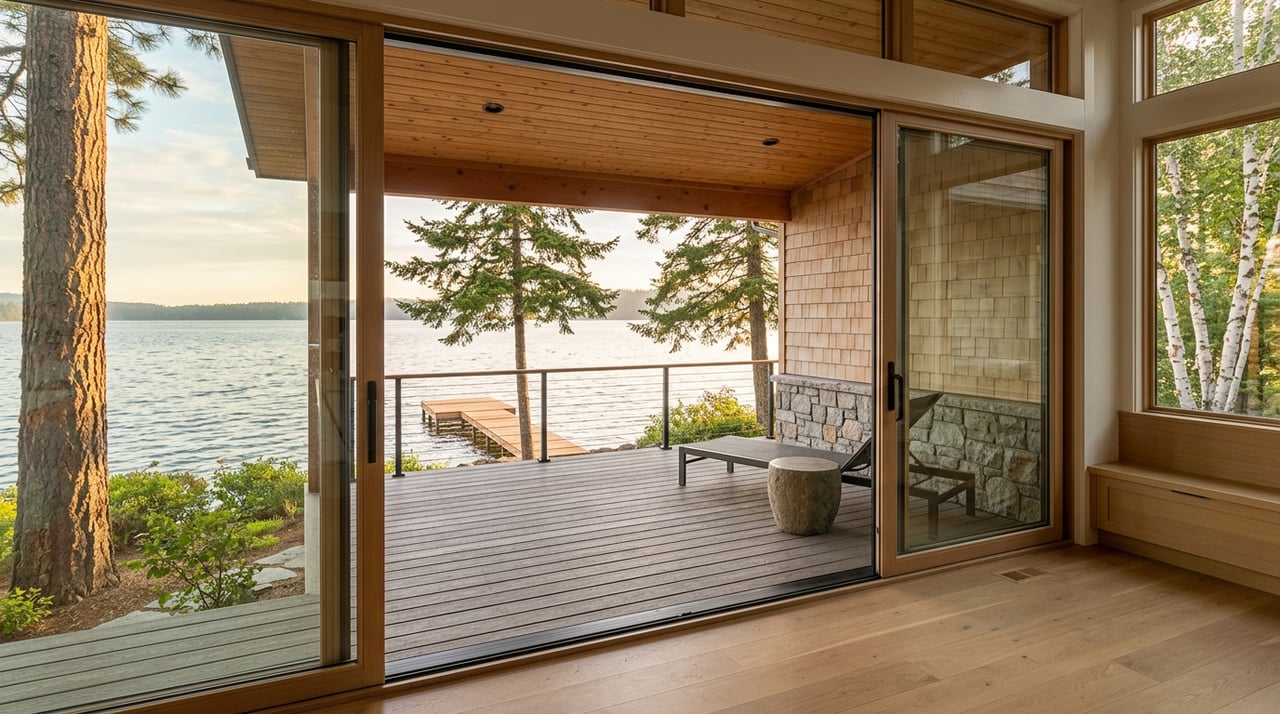
Summer is when Sandpoint leans fully into lake life. City Beach is one of the city’s busiest parks, with a marina, seasonal boat launch, swim area, picnic space, and pickleball courts, so being on or near the water becomes part of normal life for many residents.
The city also offers seasonal moorage at City Beach and Windbag marinas, which tells you something important about Sandpoint. Boating here is not just a visitor activity. For many locals and second-home owners, it is part of how they spend weekends and evenings.
Summer also brings more activity downtown and at the waterfront. The city notes that parking demand rises during the busy season, and while on-street parking remains free, some city-owned lots shift to paid parking. In many downtown areas, the first two hours are still free, with some street stalls offering three or four free hours.
There is also a strong event and recreation layer in summer. Schweitzer runs a summer season from late June to Labor Day with hiking, village activities, and more than 40 miles of mountain bike trails, while the Festival at Sandpoint Summer Series adds a well-known stretch of outdoor concerts in late July and early August.
Winter Shifts Life Toward the Mountain
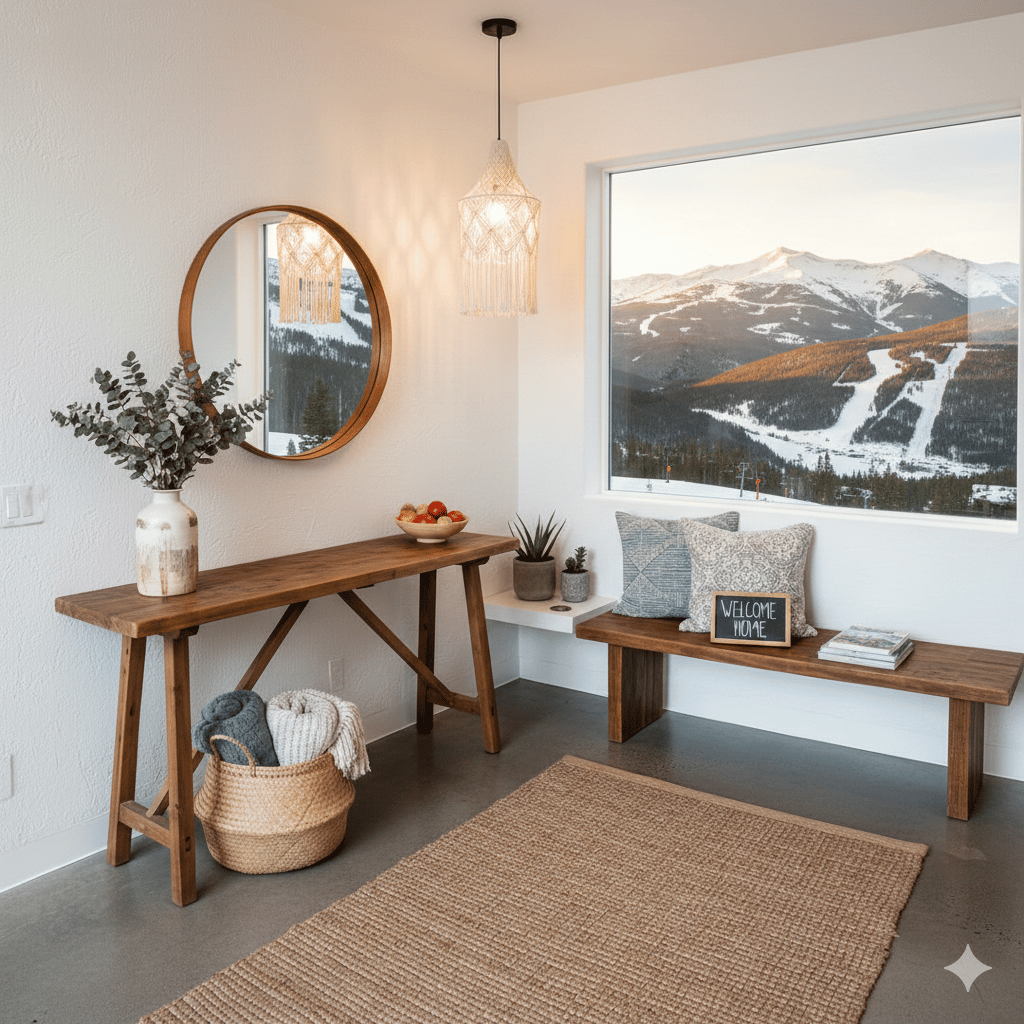
When winter arrives, the energy shifts uphill. Schweitzer’s winter season typically runs from late November into early or mid April, with 2,900 skiable acres, 92 trails, 32 kilometers of Nordic trails, and about 300 inches of average annual snowfall.
If you love snow sports, that proximity becomes a major lifestyle advantage. You are not planning a once-a-year trip to the mountain. You are living near a ski area that can become part of your weekly routine.
Winter also changes the way town functions. Sandpoint prohibits downtown parking from 2 a.m. to 6 a.m. from November 1 to March 1 to allow for snow removal, so if you are living or staying near downtown, that is one of those practical details worth knowing upfront.
Even in town, winter still feels playful and connected to the outdoors. City Beach’s east-facing beach can turn into an informal sledding hill, which is a good example of how Sandpoint’s recreation spaces keep serving residents across seasons.
Spring and Fall Feel More Transitional
Spring and fall tend to feel like shoulder seasons, when activity levels shift between the intensity of summer and winter. That can mean a little more breathing room, with fewer crowds than peak lake season and a different pace than the heart of ski season.
For some buyers, that seasonal ebb and flow is part of the appeal. Sandpoint is active, but it is not static. The feel of the town changes over the course of the year, and many residents enjoy that built-in rhythm.
Daily Life and Getting Around
One of the most common questions about living in Sandpoint is whether it feels walkable. In and around downtown, the answer is generally yes, especially near City Beach, the downtown square, the Sand Creek boardwalk, and marina areas.
The city’s park system adds a lot to everyday life. Places like City Beach, Jeff Jones Downtown Square, Farmin Park, Lakeview Park, Travers Park, the Sand Creek boardwalk, and the Mickinnick Trailhead create a network of spaces where you can walk, spend time outdoors, and enjoy the setting without needing to drive far.
The free SPOT bus also supports local trips, which can be helpful if you want an alternative to driving for certain errands or outings. In a smaller city, simple conveniences like that can make a bigger difference than people expect.
That said, Sandpoint is still a place with seasonal traffic and parking pressure, especially in summer. If you plan to live near the core, work downtown, or spend a lot of time at the waterfront, it helps to think through how the busy months may affect your routines.
What the Housing Mix Looks Like
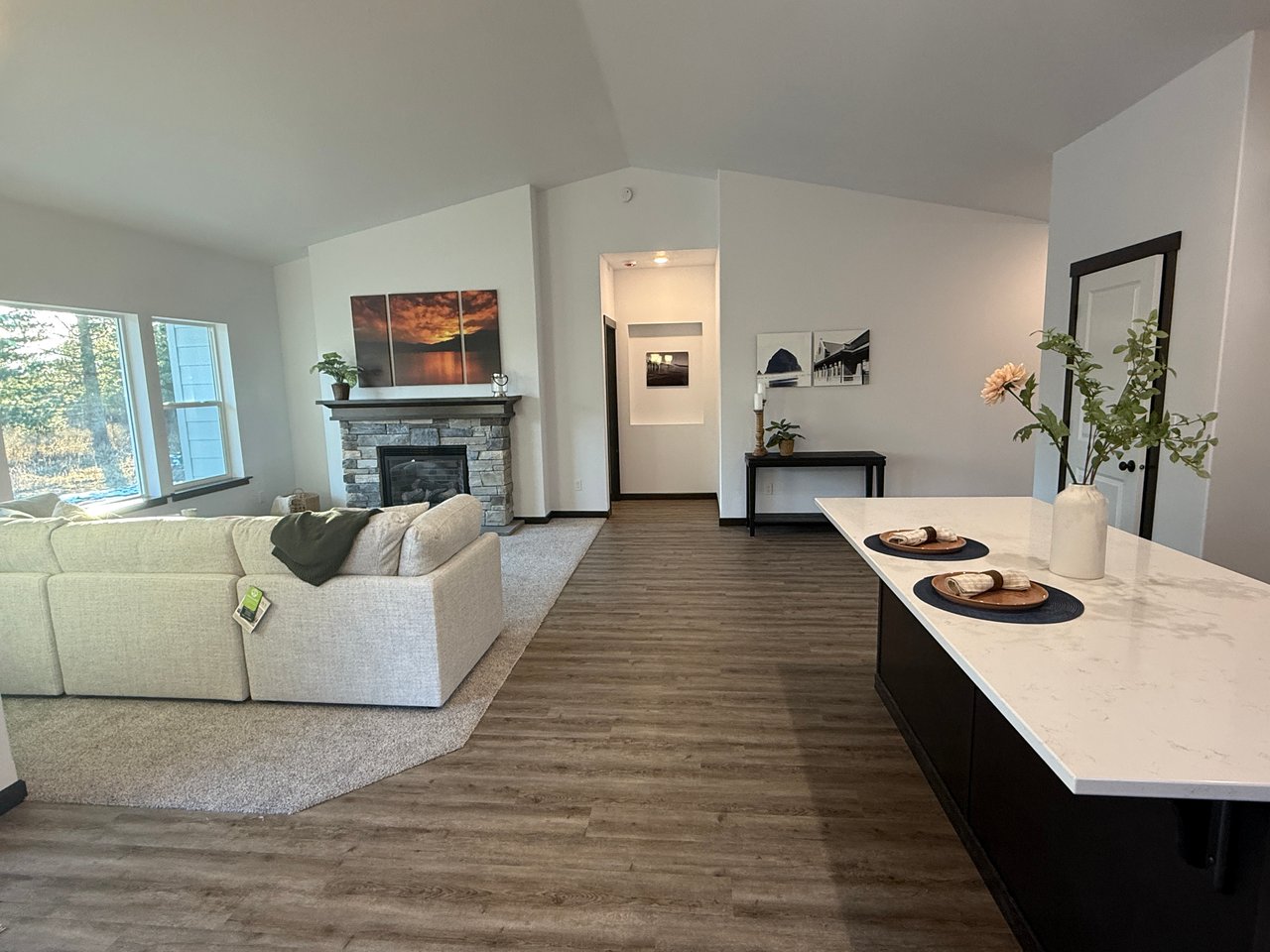
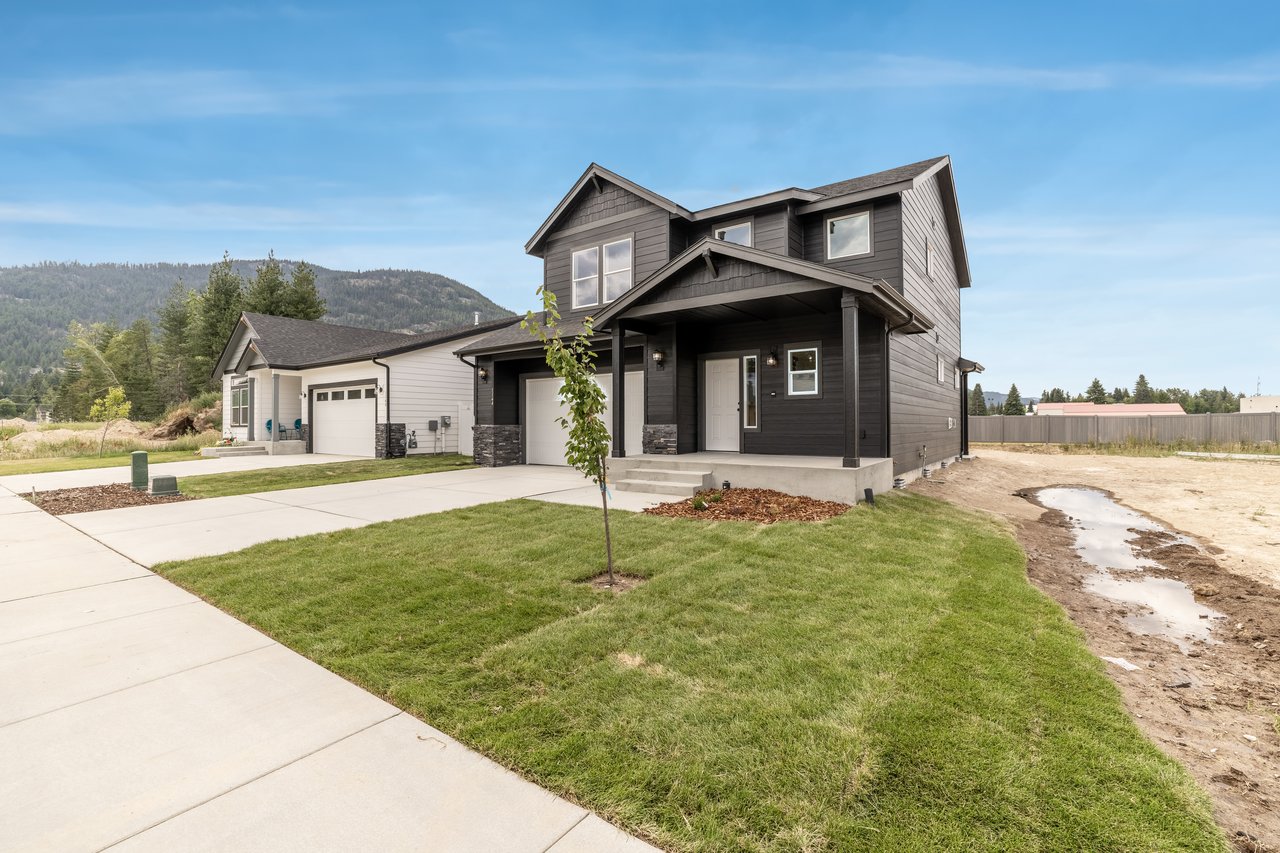
Sandpoint offers a wider range of housing types than many people assume. The city’s zoning allows for residential, mixed-use residential, rural residential, accessory dwelling units, and other forms of development, which supports a market that includes in-town single-family homes, multifamily or attached housing, mixed-use housing near the core, and larger-lot properties.
That variety matters because buyers come to Sandpoint with very different goals. Some want a downtown-adjacent home that keeps them close to the lake and local events. Others want more space, a quieter setting, or a property type that better fits a second-home or downsizing plan.
Accessory dwelling units are also part of the conversation in Sandpoint. On qualifying parcels, ADUs can be allowed up to 900 square feet, which may matter if you are looking at flexible living arrangements or thinking long term about how a property could function.
The city’s housing and economic analysis also notes that much of the long-term single-family capacity lies outside current city limits or on larger-acreage parcels, while many projects in the pipeline are multifamily or a mix of single-family and multifamily housing. In practical terms, that means your search strategy may need to stay open-minded about both property type and location.
What the Numbers Suggest About the Market
Recent Census data shows that 57.5% of Sandpoint housing is owner-occupied. The same data lists a median home value of $465,600 and a median gross rent of $1,125.
Those numbers point to a market with both owners and renters, but they also suggest affordability pressure for people trying to enter the market or make a move within it. If you are relocating, buying your first home, or trying to right-size into something that fits your next chapter, it helps to understand that pricing and inventory choices may require some flexibility.
The city’s 2024 Comprehensive Plan reinforces that growth is being managed around land use, housing, transportation, public services, and preserving Sandpoint’s character and natural beauty. For buyers and sellers, that is a useful signal that change is happening, but it is happening within a framework shaped by long-range planning.
Short-Term Rentals in Sandpoint
If you are considering a second home or investment property, short-term rental rules are an important part of the picture. Sandpoint regulates all short-term rentals and requires permits for rentals of 30 days or less.
Short-term rentals are allowed in both residential and commercial zones, but they are subject to added standards that include permit, inspection, tax, and neighborhood-notification requirements. That means you should not assume every property can automatically function the way a vacation-rental buyer might hope.
This is one area where clear local guidance matters. If your purchase depends on part-time rental use, it is smart to evaluate each property through that lens early, rather than treating short-term rental potential as a given.
Who Sandpoint Tends to Fit Best
Sandpoint often works well for people who want outdoor recreation woven into daily life and who are comfortable with a smaller-town pace. It can also be a strong fit if you like the idea of a year that naturally rotates between lake season, ski season, and quieter transition months.
For relocating buyers, the appeal is often lifestyle fit. You may be looking for a place where trails, parks, boating, skiing, and downtown amenities all feel accessible without stepping into a much larger city.
For downsizers or local sellers planning a next move, Sandpoint can offer several paths. Depending on your goals, that may mean staying close to the core, shifting to a lower-maintenance home, or moving toward a property that better matches how you want to live in the years ahead.
For second-home buyers, Sandpoint can be especially compelling because it supports both warm-weather and winter recreation. Still, that opportunity comes with practical questions about property type, location, access, and short-term rental regulations, so it helps to approach the search with both lifestyle vision and real market clarity.
What to Think About Before You Move
The biggest question is not just whether Sandpoint is beautiful. It is whether the way this town functions matches the way you want to live.
Think about how much the seasons matter to you. If you love a place that changes throughout the year and gives you reasons to be outside in every season, Sandpoint may feel like a natural fit. If you want a more predictable year-round pace, the seasonal shifts may take more adjustment.
It is also worth thinking about location within the broader Sandpoint area. Some buyers want to be close to downtown, City Beach, and the waterfront. Others are happier prioritizing space, privacy, or a specific property style over immediate access to the core.
That is where local guidance can make a real difference. The right choice is usually less about chasing a headline and more about matching your budget, routines, and long-term goals to the part of the market that supports them best.
If you are considering a move to Sandpoint or planning your next step within North Idaho, working with a local advisor who understands both the lifestyle and the details can help you move forward with more confidence. When you are ready to talk through neighborhoods, property types, timing, or your next chapter, connect with Brenna Harrington.
FAQs
Is Sandpoint, Idaho a good place for year-round living?
- Sandpoint supports year-round living with parks, downtown amenities, free SPOT bus service, lake access in summer, and nearby skiing at Schweitzer in winter.
Is downtown Sandpoint walkable for daily life?
- Downtown Sandpoint is generally walkable, especially around City Beach, the downtown square, the Sand Creek boardwalk, and marina areas.
What types of homes are available in Sandpoint?
- Sandpoint’s zoning supports a mix of in-town single-family homes, multifamily or attached housing, mixed-use housing near the core, larger-lot properties, and qualifying parcels with ADUs.
Is Sandpoint busy during the summer season?
- Yes, the city reports that downtown and waterfront parking demand rises in summer, which reflects the area’s busier seasonal pace.
Can you use any Sandpoint property as a short-term rental?
- No, the city regulates short-term rentals, requires permits for rentals of 30 days or less, and applies additional standards depending on the property and location.
What kind of buyer tends to like living in Sandpoint?
- Sandpoint often appeals to buyers who want outdoor recreation built into everyday life, enjoy a smaller-town pace, and are comfortable with seasonal changes in activity and crowds.